The Psychology Behind Logo-Free Quiet Luxury: How Minimalism Enhances User Experience
Introduction to Minimalism in Branding
With the rise of minimalism in the design world, businesses are increasingly turning to logo-free, clean layouts to create a sense of quiet luxury. This approach, which emphasizes simplicity and understated elegance, has gained popularity due to its ability to evoke a deeper emotional connection with consumers. But what exactly is driving this shift? How does minimalism influence user experience and brand perception? Let’s dive into the psychology behind this trend.
Minimalism, in its essence, is about stripping away unnecessary elements to reveal something more profound. In the context of branding, this means removing logos, icons, and other brand identifiers to create a space where the product or service stands out without the need for overt advertising. This approach aligns with the principles of user experience, as it reduces cognitive load and allows consumers to focus on the core value proposition.
Understanding User Experience Through Minimalism
One of the key psychological principles at play here is the concept of “cognitive load.” Research shows that consumers process information more efficiently when presented with less clutter. By eliminating logos and other brand-related elements, minimalist designs reduce the mental effort required to engage with the brand, allowing consumers to absorb the message more effectively.
- Minimalism creates a calmer, more reflective environment, which can enhance user satisfaction.
- It reduces the risk of overdecorating, which can sometimes lead to information overload.
- By focusing on functionality over decoration, minimalism ensures that the brand’s message is clear and direct.
Another important aspect is the role of color in psychology. Minimalist designs often make use of neutral tones, which are known to reduce stress and promote relaxation. Colors like white, black, and gold are frequently used in logo-free designs, as they exude sophistication and exclusivity. This subtle use of color helps to reinforce the perception of luxury without being overwhelming.
Brand Perception and the Subtle Art of Minimalism
Minimalism also plays a significant role in shaping brand perception. By avoiding logos, businesses can create a more “pure” brand experience, where the focus is on the product or service itself rather than the brand’s identity. This approach can foster a deeper level of connection with consumers, as they are not distracted by branding elements that might otherwise serve only to highlight the logo.
- Minimalism can communicate exclusivity and sophistication, which are key traits of luxury branding.
- It helps to differentiate a brand from competitors who may overuse decorations in their designs.
- By simplifying the brand identity, minimalist designs can make the brand feel more genuine and approachable.
For example, a luxury car brand that embraces a minimalist aesthetic might use a color palette of black and gold, paired with clean lines and simple typography. This not only aligns with the brand’s luxury positioning but also creates a calming and luxurious atmosphere that resonates with its target audience.
Design Elements That Drive psychological Impact
When it comes to logo-free designs, typography is often the most impactful element. Clean, simple fonts that are easy to read and scan are essential for creating a user-friendly experience. Studies have shown that sans-serif fonts, in particular, are ideal for this purpose, as they are less likely to cause eye strain.
Color theory also plays a crucial role in logo-free designs. Colors like blue and green, which are associated with trust and calmness, can be incorporated into minimalist designs to enhance the overall psychological impact. The careful selection of colors can help to create a sense of luxury and sophistication without being overwhelming.
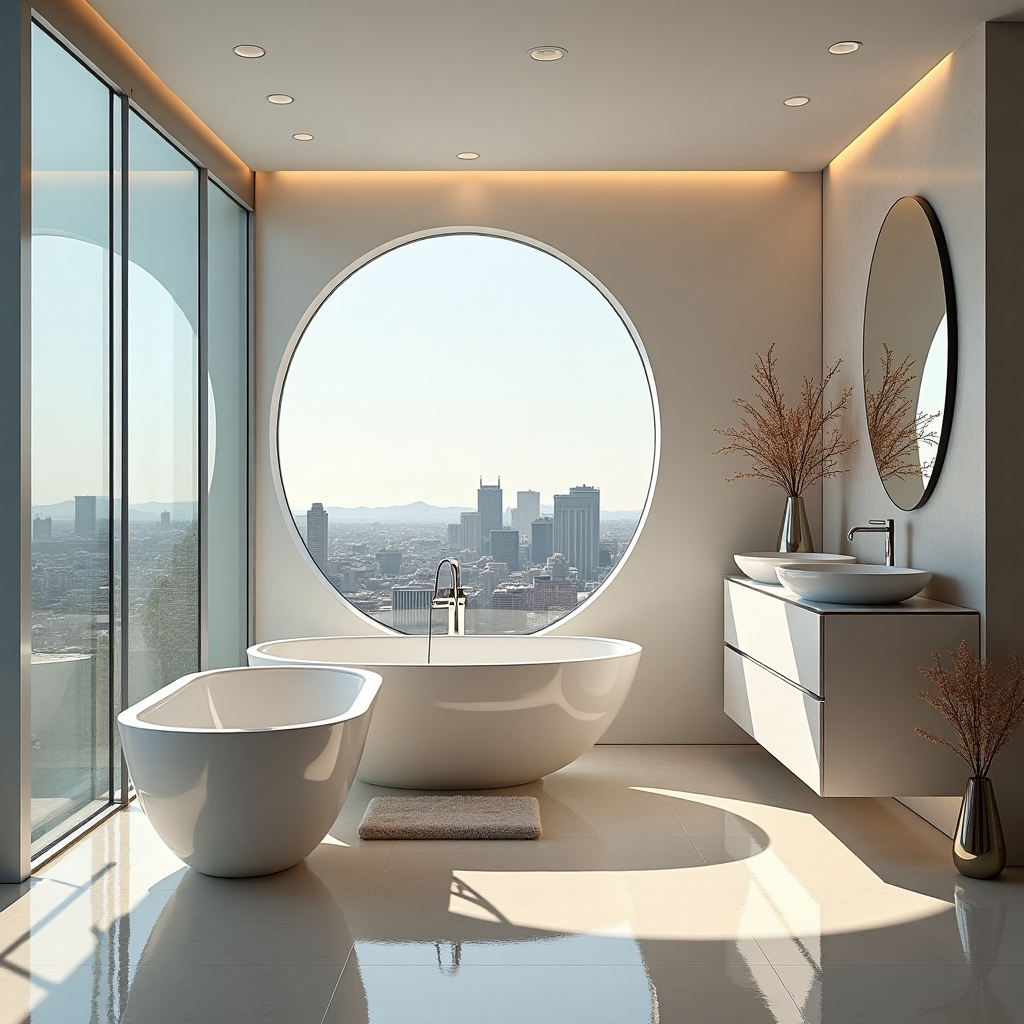
Spacing and layout are additional considerations. Minimalist designs typically feature clean lines and ample white space, which help to create a sense of order and calmness. This is particularly effective in logo-free layouts, where the absence of branding elements allows the focus to remain on the product or service itself.
Conclusion
In conclusion, the psychology behind logo-free, quiet luxury is rooted in the principles of user experience and brand perception. Minimalism allows businesses to create designs that are less cluttered, more reflective, and easier to digest for consumers. By leveraging the power of color, typography, and spacing, minimalist designs can enhance the psychological impact of a brand, creating a calming and luxurious atmosphere that resonates with its audience.
For businesses looking to adopt minimalist strategies, the long-term benefits are clear: increased user satisfaction, stronger brand perception, and a greater ability to stand out in a crowded market. So, if you’re ready to rethink your branding approach, consider the power of logo-free, minimalistic designs and how they can transform your brand into a quiet luxury.
Remember, the goal is not to eliminate branding entirely, but to create a space where the brand’s message is clear, the user experience is seamless, and the perception of luxury is undeniable.