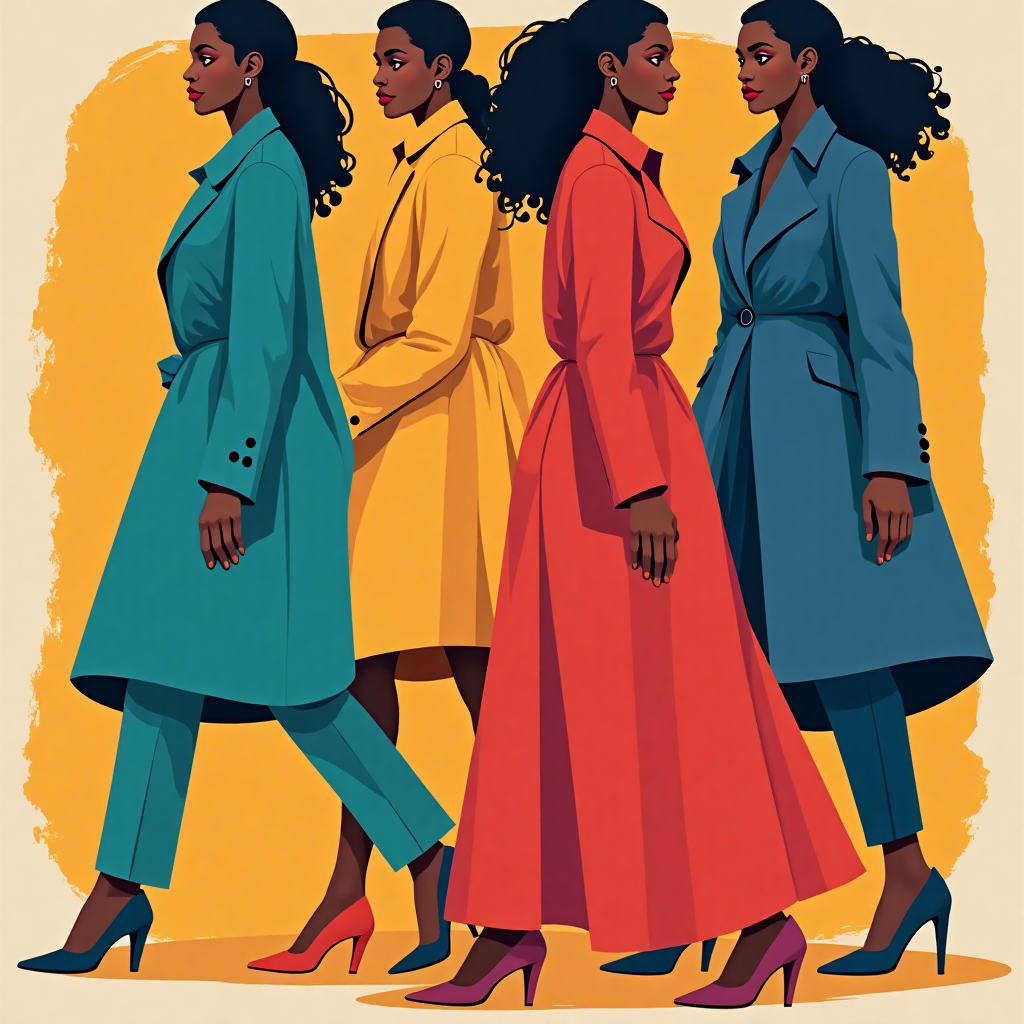
The Chromatic Confidence Code: Why Wearing Bold Colors Makes You Appear More Confident
Have you ever walked into a room and felt every eye subtly shift toward someone in a vibrant crimson blazer or a brilliant emerald dress? There’s an undeniable magnetic pull to bold color. While classic neutrals like black, navy, and beige speak of timeless elegance and safety, a strategic splash of color shouts something entirely different: self-assurance. This isn’t just a fashion opinion; it’s a phenomenon rooted in psychology, social signaling, and even physiology. Choosing to wear bold colors is a conscious act of visibility, a non-verbal declaration that you are present, engaged, and unafraid to be seen. In this deep dive, we’ll explore the powerful reasons why donning bold hues is one of the simplest yet most effective ways to project—and even cultivate—genuine confidence.
The Psychology of Color: More Than Just a Pretty Hue
Before we drape ourselves in fuchsia and tangerine, it’s crucial to understand the language colors speak. Color psychology isn’t a pseudoscience; it’s the study of how wavelengths of light influence human behavior, mood, and perception. Our brains have evolved to assign meaning and emotion to colors, a process influenced by both biology and culture. When you wear a bold color, you’re not just wearing fabric; you’re harnessing and broadcasting the intrinsic properties of that hue.
Commanding Attention and Signaling Status
Bold colors, by their very nature, have high visual weight. They stand out against more common, muted backgrounds. Wearing them automatically draws the eye, making you the focal point. Historically, vivid dyes like Tyrian purple or cochineal red were extraordinarily expensive and difficult to produce, reserving them for royalty, the religious elite, and the ultra-wealthy. This created a deep-seated association between rare, bold colors and status, power, and authority. While today’s synthetic dyes have democratized color, the subconscious link remains. A person in a powerful shade of royal blue or a commanding magenta is often perceived as more important and authoritative before they even speak.
The Mood-Altering Magic of Your Wardrobe
Confidence isn’t just about how others see you; it’s fundamentally about how you feel. This is where the concept of “enclothed cognition” comes into play—the systematic influence that clothes have on the wearer’s psychological processes. The symbolic meaning of your clothing and the physical experience of wearing it can change your attitude and capabilities. Slipping into a bright, sunny yellow blazer isn’t just a style choice; it can actively lift your mood, increase feelings of optimism, and make you feel more energetic and open. A study from the Journal of Experimental Social Psychology found that wearing clothes associated with competence (like a doctor’s coat) increased attentiveness. Similarly, wearing colors you psychologically associate with strength and confidence can actually make you feel stronger and more confident, creating a powerful positive feedback loop.
Bold Color as Non-Verbal Communication
In the first seven seconds of meeting someone, a lasting impression is formed, largely based on non-verbal cues. Your clothing color is a critical part of that silent dialogue. Choosing a bold palette sends deliberate, powerful messages without uttering a single word.
Breaking the “Wallflower” Barrier
Neutrals are fantastic for blending in. They are the uniform of the background, the safe choice that avoids commentary. Opting for a bold color is the antithesis of this. It is a voluntary step out of the shadows. It communicates that you are comfortable taking up space and are open to interaction. In social or professional settings, this perceived openness makes you appear more approachable and memorable. People are more likely to remember “the person in the fantastic coral dress” than someone in a beige suit, giving you a distinct advantage in networking and relationship-building.
Projecting Competence and Creativity
The right bold color can sharpen your professional image. While a head-to-toe neon green suit might not suit a corporate boardroom, a strategically placed bold accent—like a rich amethyst scarf, a confident red lipstick, or a deep teal pocket square—can communicate key traits. Consider these associations:
- Deep Navy or Bold Royal Blue: Trust, stability, and intelligence (often cited as the most trustworthy color).
- Emerald Green: Growth, balance, and wealth (associated with clarity and renewal).
- Ruby Red: Energy, passion, and action (known to increase heart rate and convey leadership).
- Vibrant Orange: Enthusiasm, creativity, and fearlessness (suggests innovation and a dynamic personality).
These colors, used intentionally, signal specific facets of your personality and professional aptitude, allowing you to curate the message you send.
Practical Guide to Wearing Bold Colors with Confidence
Convinced of the power of color but feeling hesitant? The leap from theory to wardrobe doesn’t have to be daunting. Integrating bold colors is a skill you can build gradually, ensuring you feel authentic and empowered every step of the way.
Start with Strategic Accents
You don’t need to overhaul your entire closet. Begin by introducing bold colors in accessory form. This is a low-commitment, high-impact strategy.
- Swap a black handbag for one in a saturated cobalt blue.
- Trade metallic shoes for a pair in cherry red or mustard yellow.
- Add a vibrant silk scarf or a statement necklace in lapis lazuli tones.
- Experiment with bold eyewear frames or a colorful watch strap.
These pieces act as exclamation points for a neutral outfit, training you to get comfortable with the attention they draw.
Find Your “Power Hue”
Not every bold color will resonate with you, and that’s perfectly fine. The goal is to find the colors that make you feel invincible. Pay attention to the colors you’re consistently complimented on—these are often the ones that harmonize best with your natural coloring and energy. Go to a store and try on items in colors you normally avoid. Observe how you feel in a bright fuchsia versus a deep teal, a fiery orange versus a rich violet. The right color will make your skin glow, your eyes brighten, and your posture straighten almost subconsciously. That’s your power hue.
Master the Art of Color Combination
Wearing bold colors confidently often comes down to knowing how to combine them. Start with classic, foolproof formulas:
- Bold + Neutral: A tangerine sweater with cream trousers. A cobalt blue dress with a black blazer. This lets the color shine without competition.
- Tonal Dressing: Wear different shades and tints of the same color family (e.g., a pale lavender blouse with a deep plum skirt and an aubergine heel). It’s sophisticated and visually striking.
- Complementary Colors: For the more adventurous, pair colors opposite each other on the color wheel (e.g., blue and orange, purple and yellow) in small, balanced doses for a dynamic, energetic look.
The key is intention. When your outfit looks cohesive and deliberate, your confidence in wearing it skyrockets.
The Conclusion: Stepping Into Your Most Colorful Self
Choosing to wear bold colors is, at its core, an act of self-assertion. It moves you from passive observer to active participant in your environment. It harnesses the deep-seated psychology of color perception, leverages the science of enclothed cognition to boost your internal state, and sends a crystal-clear message of competence and openness to the world. Confidence isn’t just an internal trait; it’s a performance, a practice. By consciously selecting a bold red lipstick, a vibrant tie, or a striking dress, you are practicing visibility. You are telling yourself and the world that you are worthy of notice. So, the next time you stand before your closet, consider reaching for that color you’ve been “saving for a special occasion.” The most special occasion is today, and the most confident version of you is waiting to step out into the world, brilliantly unmissable.