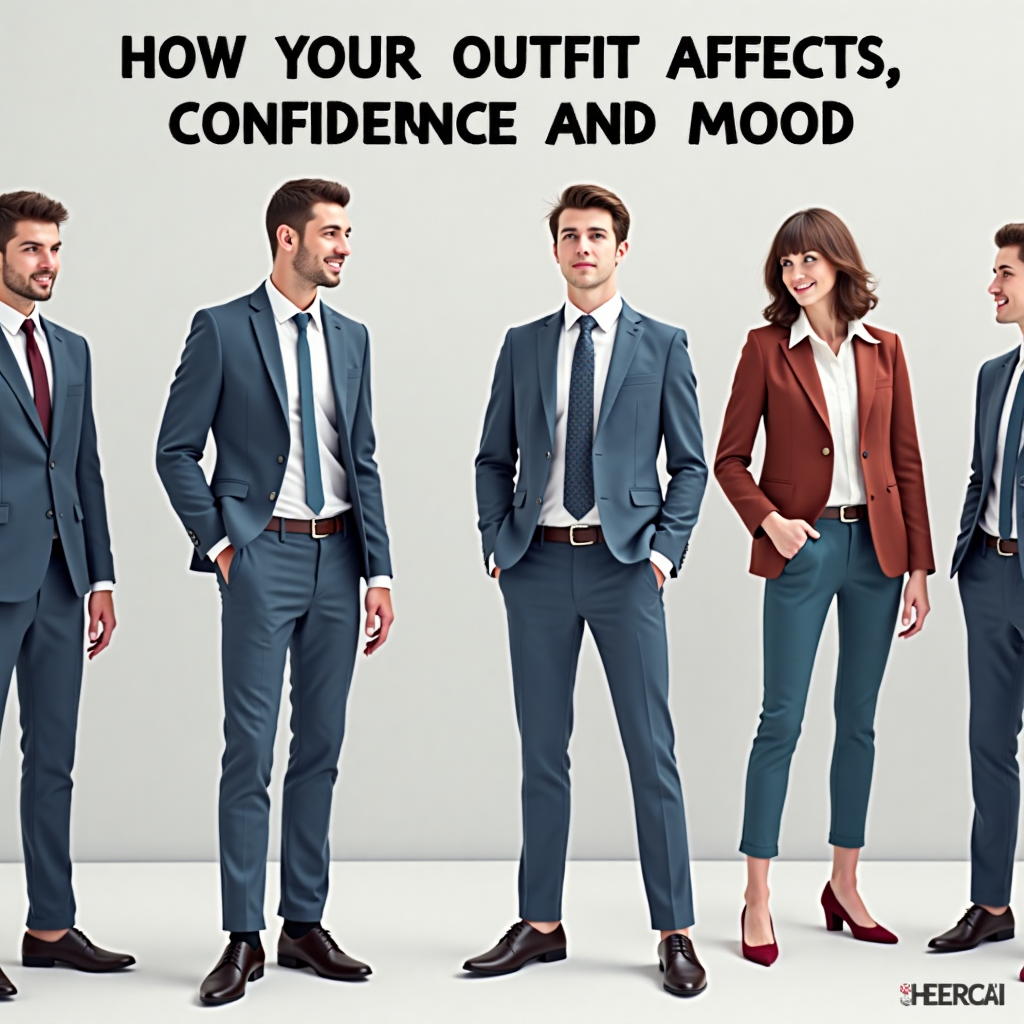
How Your Outfit Affects Your Confidence and Mood: The Psychology Behind Dressing Well
Have you ever noticed how putting on a favorite outfit can instantly boost your spirits? Or how wearing something uncomfortable can make you feel weighed down, both physically and emotionally? The way we dress plays a profound role in shaping our confidence and mood, often without us even realizing it. This article delves into the fascinating psychology behind clothing and its impact on how we feel and present ourselves to the world.
The Connection Between Clothing and Confidence
Confidence is a state of mind that radiates from within, but it can also be influenced by external factors—like the clothes we wear. When we dress in a way that aligns with our personal style and makes us feel good, it sends a signal to our brain that we’re prepared and capable. This positive reinforcement can lead to a noticeable increase in self-assurance, whether we’re heading to a job interview, a social event, or even a casual day out.
How Clothing Choices Influence Self-Expression
Clothing serves as a form of non-verbal communication, allowing us to express our personality, values, and identity. When we choose outfits that reflect who we are, it creates a sense of authenticity that can boost confidence. For example, someone who values professionalism might feel more self-assured in a tailored suit, while a creative individual might prefer bold patterns or unique accessories to express their flair.
- Authenticity: Wearing clothes that represent your true self can make you feel more connected to your identity.
- Comfort: Clothing that fits well and feels good on your skin can enhance your comfort, which in turn supports confidence.
- Preparedness: Dressing appropriately for a situation can make you feel more ready to tackle challenges, whether it’s a business meeting or a hike in the park.
The Role of Fit and Quality
Fit and quality are two critical factors that contribute to confidence. Ill-fitting clothes can make you feel self-conscious, drawing attention to parts of your body you’d rather not highlight. On the other hand, well-fitted, high-quality garments can make you feel polished and put-together. The right fit ensures that your clothes flatter your figure, while quality materials suggest that you’ve invested in looking good, which can subconsciously boost your self-esteem.
- Fit: Clothes that fit well create a balanced silhouette and allow for ease of movement, making you feel more in control.
- Quality: High-quality fabrics and craftsmanship can make you feel more valued and respected, both by others and yourself.
- Attention to Detail: Paying attention to small details like hem lengths, button placements, and fabric textures can make a big difference in how you feel.
Outfit and Mood: The Emotional Impact of What You Wear
Our mood is deeply connected to our clothing choices. Certain colors and styles can evoke specific emotions, influencing how we feel throughout the day. For instance, wearing a vibrant red dress might make you feel energetic and bold, while a soft pastel outfit could promote calmness and relaxation. The relationship between clothing and mood is a two-way street—our clothes can affect our emotions, and our emotions can influence our clothing choices.
Color Psychology in Fashion
Colors have a powerful impact on our mood. Psychological studies have shown that different hues can evoke various emotions and even influence our behavior. For example:
- Black: Often associated with power, sophistication, and authority. It can make you feel confident and in control.
- Blue: Known for its calming effect, blue can promote feelings of trust and stability.
- Yellow: A bright, sunny color that can lift your spirits and make you feel happier.
- Green: Represents growth, harmony, and renewal. It can help you feel balanced and refreshed.
- Red: A bold, passionate color that can increase energy and confidence.
When selecting an outfit, consider the mood you want to cultivate. If you’re feeling down, opt for colors that lift your spirits. If you need to feel focused, choose hues that promote concentration and clarity.
How Style Shapes Your Mood
Style isn’t just about aesthetics; it’s also about how you want to feel. A structured, tailored look can make you feel organized and capable, while a loose, flowing outfit might convey relaxation and freedom. The key is to choose styles that resonate with your emotional state and help you achieve your desired mood.
- Structured Clothing: Jackets, blazers, and tailored pants can create a sense of order and control.
- Casual Attire: Jeans, sweaters, and sundresses often promote a laid-back, comfortable mood.
- Color Combinations: Pairing colors strategically can amplify or soften their emotional impact. For example, combining red and black can intensify confidence, while pairing yellow and white can enhance happiness.
It’s also worth noting that cultural and personal associations with certain styles can influence mood. For example, a traditional suit might make one person feel professional, while another might associate it with conformity and feel restricted.
Practical Tips for Enhancing Confidence and Mood Through Clothing
Now that we’ve explored the psychological aspects of clothing, let’s discuss practical strategies for using your outfits to boost confidence and improve your mood:
1. Dress for the Version of Yourself You Want to Be
Imagine the version of yourself that exudes confidence and positivity. What would that person wear? Dressing in a way that aligns with this vision can help you embody those qualities. Whether it’s a sharp business suit or a vibrant, bohemian dress, choose clothes that make you feel like the best version of yourself.
- Identify Your Goals: Are you aiming to feel professional, creative, or relaxed? Choose outfits that reflect those goals.
- Invest in Key Pieces: High-quality, versatile clothing items can serve as the foundation for building confident outfits.
- Experiment: Don’t be afraid to try new styles or colors. Confidence grows when you step out of your comfort zone.
2. Pay Attention to Fit and Comfort
Comfort is key to feeling confident and positive. If your clothes are too tight, too loose, or otherwise uncomfortable, they’ll likely drag your mood down. Prioritize fit when shopping for clothes, and don’t shy away from tailoring or alterations to ensure everything fits perfectly.
- Shop for Fits: Focus on clothes that flatter your body type and provide a comfortable range of motion.
- Layering: Layering can help you adjust your outfit to suit your comfort needs throughout the day.
- Accessorize Mindfully: Accessories like scarves, belts, and jewelry can enhance both fit and style without compromising comfort.
3. Use Color to Your Advantage
Color can be a powerful tool for shaping your mood. Experiment with different hues to see how they make you feel. If you’re unsure, start with small accessories like scarves or shoes before committing to a full outfit in a bold color.
- Start Small: Incorporate a pop of color into your outfit with accessories or small items like socks.
- Neutral Base: Build your outfit around neutral colors like black, white, gray, or beige, then add asplash of color with a statement piece.
- Seasonal Adjustments: Choose colors that align with the season. For example, warm tones in winter and cool tones in summer.
Remember, the goal is to feel good in your clothes. Confidence and mood are deeply personal, so take the time to experiment and discover what works best for you.
Conclusion
Your outfit is more than just a collection of clothes—it’s a reflection of your inner self. By choosing clothes that align with your personal style, fit well, and use color strategically, you can enhance your confidence and positively influence your mood. Dressing well isn’t just about looking good; it’s about feeling good, both inside and out. So, the next time you get dressed, think about how your outfit can empower you to face the day with confidence and positivity.