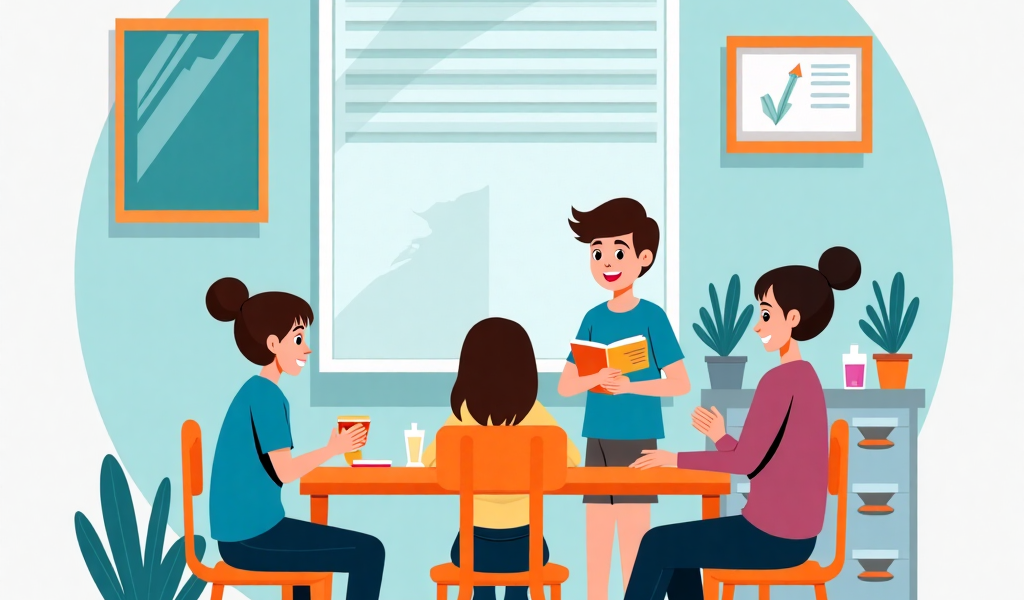
Effective Preschool Behavior Management: Strategies for a Happy and Healthy Learning Environment
Preschool behavior management is a critical aspect of early childhood education, ensuring that young children can thrive in a structured and supportive environment. As a parent or educator, understanding how to manage and guide preschoolers’ behavior can make a significant difference in their development and overall well-being. This article explores practical strategies, tools, and insights to help you create a positive and effective behavior management plan for your preschooler or classroom.
The Importance of Preschool Behavior Management
Preschool is a foundational stage where children begin to develop social, emotional, and academic skills. Proper behavior management during this time helps children learn how to interact with others, follow rules, and regulate their emotions. It also fosters a sense of security and predictability, which are essential for their confidence and ability to concentrate on learning activities.
Without effective behavior management, preschool environments can become chaotic, leading to frustration for both children and adults. It’s important to remember that preschoolers are still developing their self-control and may struggle with impulsive actions or difficulty in expressing their feelings. Therefore, a well-thought-out behavior management plan is not just about discipline; it’s about teaching and supporting children as they grow into responsible and respectful individuals.
Understanding Preschoolers’ Behavior
Preschoolers are naturally curious and energetic, which can sometimes lead to challenging behaviors. It’s essential to approach these behaviors with empathy and understanding. For example, tantrums or meltdowns are often a result of overwhelming emotions rather than intentional misbehavior. By recognizing the root causes of these actions, you can address them more effectively and help children develop better coping mechanisms.
Additionally, every child is unique, and their behavior may vary based on personality, developmental stage, and individual needs. A one-size-fits-all approach to behavior management won’t work, so it’s crucial to tailor your strategies to suit each child’s specific circumstances. This personalized approach can lead to more positive outcomes and stronger relationships between children and caregivers.
Strategies for Effective Preschool Behavior Management
1. Establish Clear Rules and Expectations
One of the most effective ways to manage preschool behavior is by setting clear, consistent rules and expectations. Children thrive when they know what is expected of them, and having a predictable routine can reduce anxiety and confusion. For example, you might create a list of simple rules such as “Use kind words,” “Keep hands to yourself,” or “Listen when someone is talking.”
It’s important to involve children in the creation of these rules, as it gives them a sense of ownership and understanding. You can discuss the rules together during circle time and even create a visual chart that everyone can refer to. Consistency is key—make sure that all caregivers, teachers, and parents are on the same page when it comes to enforcing these rules.
2. Use Positive Reinforcement
Positive reinforcement is a powerful tool for encouraging good behavior in preschoolers. Instead of focusing on punishment, this approach emphasizes rewarding desired actions. For instance, you might use a sticker chart or a token system where children earn rewards for following rules or demonstrating positive behavior.
Verbal praise is also an effective form of positive reinforcement. When you catch a child doing something right, such as sharing toys or cleaning up after themselves, acknowledge their behavior with specific compliments like, “I really liked how you helped your friend share the blocks.” This not only reinforces the behavior but also helps children understand what is expected of them.
- Use praise to highlight good behavior
- Offer small rewards for positive actions
- Be consistent with reinforcement
- Focus on effort rather than just results
Positive reinforcement works best when it’s immediate and specific. Children are more likely to remember and repeat behaviors that are praised in the moment rather than receiving generalized feedback later.
3. Teach Emotional Regulation Skills
Preschoolers are still learning how to manage their emotions, and teaching them emotional regulation is an important part of behavior management. You can help children identify and express their feelings by labeling emotions and providing them with tools to calm down when they’re upset.
For example, you might introduce a “calm-down corner” where children can go to take deep breaths or look at a book when they feel angry or frustrated. Teaching children simple breathing exercises or visualization techniques can also be effective in helping them manage their emotions.
- Label emotions to help children understand them
- Teach calming techniques like deep breathing
- Encourage problem-solving skills
- Model positive behavior yourself
By equipping children with emotional regulation skills, you’re setting them up for success not just in preschool but throughout their lives. These skills will help them navigate social interactions, handle conflicts, and maintain self-control in challenging situations.
Addressing Common Preschool Behavior Challenges
1. Tantrums and Meltdowns
Tantrums are a common part of preschool life, often triggered by frustration, tiredness, or a lack of understanding. To address tantrums, it’s important to remain calm and patient. Acknowledge the child’s feelings without reinforcing the tantrum behavior, and help them find a constructive way to express their emotions.
For example, you might say, “I see you’re feeling upset. Let’s take a deep breath together and figure out what we can do to solve this problem.” This approach validates their feelings while encouraging them to work through the issue in a positive way.
2. Difficulty Separating from Caregivers
Separation anxiety is a normal part of preschool development for many children. To ease this transition, it’s important to create a predictable and comforting routine. You might introduce a goodbye ritual, such as a special handshake or a goodbye hug, to help children feel secure when parting ways with their parents or caregivers.
It’s also helpful to gradually increase the time children spend away from their caregivers. For example, you might start with short separations and slowly build up to longer periods. This approach allows children to adjust to the new environment at their own pace, reducing the likelihood of overwhelming anxiety.
3. Aggressive Behavior
Aggressive behavior, such as hitting or biting, can be challenging to manage in a preschool setting. It’s important to address this behavior calmly and consistently, focusing on teaching children how to express their feelings in a safe and appropriate way.
You might use role-playing to help children practice positive interactions. For example, you could act out a scenario where a child feels angry and then demonstrate how to use words instead of actions to resolve the conflict. It’s also helpful to provide children with alternative ways to express their emotions, such as through art, music, or physical activity.
- Stay calm and consistent when addressing aggression
- Teach children to use words instead of actions
- Encourage positive alternatives for expressing emotions
- Model respectful behavior yourself
By addressing aggressive behavior in a constructive way, you’re helping children develop the skills they need to form healthy relationships and resolve conflicts peacefully.
Creating a Positive Preschool Environment
A positive preschool environment is essential for effective behavior management. When children feel safe, respected, and valued, they’re more likely to behave in a way that aligns with the rules and expectations set by their caregivers and teachers.
One way to create a positive environment is by fostering a sense of community within the classroom. Encourage collaboration and teamwork through group activities, and take time to celebrate each child’s unique strengths and contributions. This not only builds a strong sense of belonging but also reinforces the importance of respectful and kind behavior.
1. Use a Routine-Based Approach
Preschoolers thrive on routine, as it provides them with a sense of structure and predictability. A well-planned daily routine can help reduce behavioral issues by minimizing confusion and uncertainty. For example, you might start the day with circle time, followed by play-based activities, snack, and outdoor play.
It’s important to stick to the routine as much as possible, while also allowing for flexibility when needed. Consistency helps children feel secure, while flexibility ensures that the environment can adapt to their changing needs and moods.
2. Encourage Independence and Responsibility
Teaching preschoolers to be independent and responsible can have a positive impact on their behavior. For example, you might encourage children to take care of their own belongings, such as putting away their toys or coats. This not only fosters a sense of responsibility but also helps children feel capable and confident in their abilities.
You can also involve children in classroom chores, such as setting the table for snack or helping to clean up after an activity. This helps them feel like an important part of the classroom community and reinforces the value of working together to maintain a positive environment.
Conclusion
Effective preschool behavior management is about more than just discipline—it’s about creating a supportive, structured, and positive environment where children can learn and grow. By establishing clear rules, using positive reinforcement, and teaching emotional regulation skills, you can help preschoolers develop the behaviors and habits they need to succeed in school and life.
Remember, every child is unique, and what works for one may not work for another. Be patient, flexible, and open to adjusting your strategies as needed. With time, effort, and consistency, you can create a preschool environment that fosters happiness, healthy social interactions, and a love for learning.