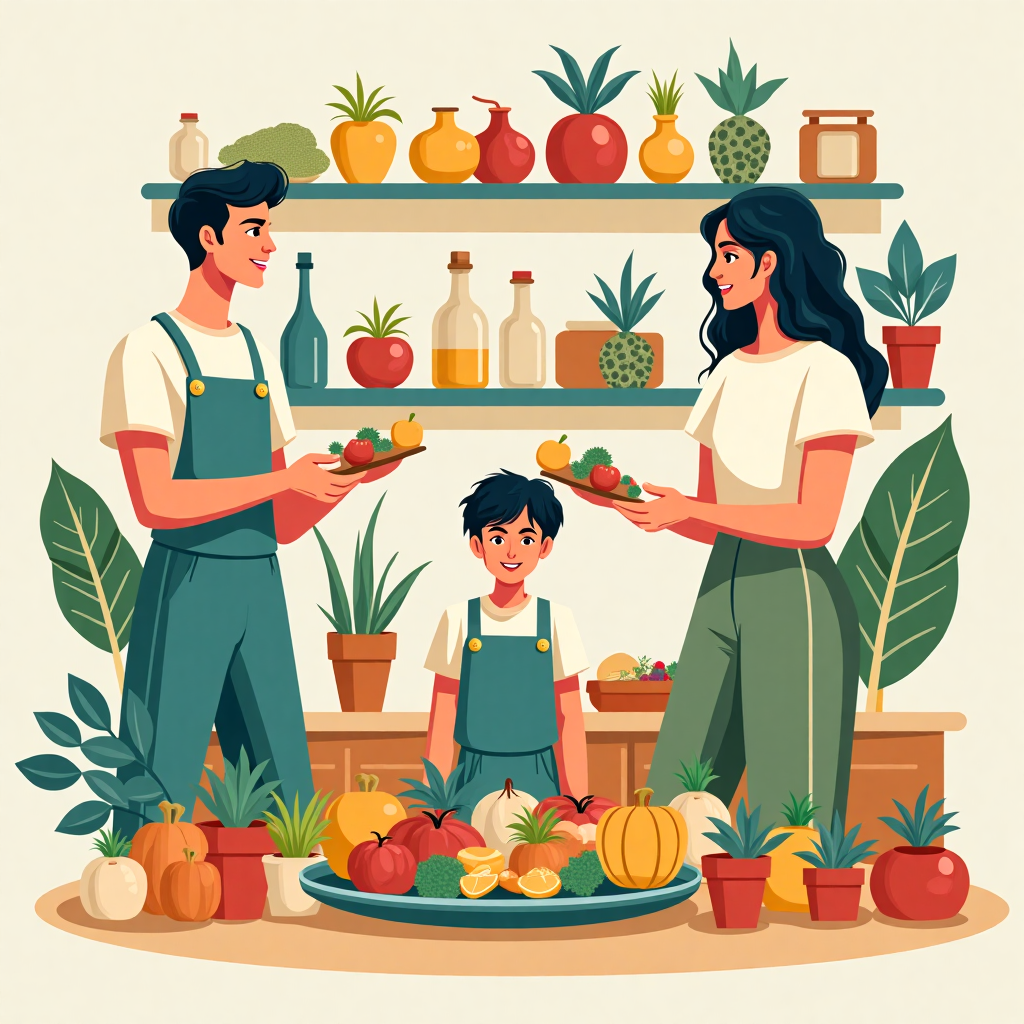
How to Reduce Food Waste at Home: Simple Strategies for a Sustainable Kitchen
Food waste is a significant issue worldwide, with millions of tons of edible food being discarded every year. Not only does this contribute to environmental problems like climate change and resource depletion, but it also impacts our wallets. Reducing food waste at home is a practical way to save money, help the environment, and ensure that we make the most of the resources we have. In this article, we’ll explore effective strategies to minimize food waste in your kitchen, from planning meals to repurposing leftovers. Let’s dive in and discover how small changes can make a big difference.
1. Start with a Meal Plan
One of the most effective ways to reduce food waste is by planning your meals in advance. Without a clear plan, it’s easy to buy more food than you need, leading to spoilage and unnecessary waste. Here’s how you can create a meal plan that works for you:
- Assess Your Needs: Before heading to the grocery store, take stock of what you already have in your pantry, fridge, and freezer. This helps you avoid buying duplicates and ensures you only purchase what you need.
- Plan for the Week: Dedicate some time each week to plan out your meals. Consider your schedule, dietary preferences, and any upcoming events that might require special meals. This way, you can buy ingredients that will be used throughout the week, reducing the chance of them going bad.
- Be Flexible: While meal planning is essential, it’s also important to remain flexible. Life happens, and sometimes you might not stick to your planned menu. Having a few backup ideas or using versatile ingredients can help you adapt without wasting food.
Meal planning also helps you shop smarter. By knowing exactly what you need, you can avoid impulse purchases and stick to your budget. This approach not only reduces waste but also saves time when preparing meals, as you’ll have everything you need on hand.
2. Make a Grocery List
Once you’ve planned your meals, the next step is to create a detailed grocery list. This list should include all the ingredients you need for the week, based on your meal plan. Here’s why a grocery list is so important:
- Stay Organized: A grocery list keeps you organized and focused while shopping. It prevents you from wandering through the store and buying items you don’t need.
- Stick to Your Budget: By knowing exactly what to buy, you can avoid overspending on unnecessary items. This helps you stay within your budget while ensuring you have all the essentials.
- Reduce Impulse Buys: Impulse purchases are a major contributor to food waste. With a grocery list, you’re less likely to buy items on a whim, which often end up unused or discarded.
Creating a grocery list might seem simple, but it’s a powerful tool in the fight against food waste. To make it even more effective, consider grouping items by category (e.g., fruits, vegetables, proteins) and checking off each item as you add it to your cart. This ensures you don’t miss anything and reduces the chance of buying duplicates.
2.1. Buy Only What You Need
When shopping, it’s tempting to buy in bulk, especially when items are on sale. However, buying more than you can use often leads to waste. Instead, focus on buying only what you need for the week. Here are some tips:
- Check Expiration Dates: Always check the expiration dates on perishable items. Choose products with the latest expiration dates to ensure you have time to use them.
- Opt for Smaller Quantities: If you’re unsure about how much you’ll need, opt for smaller quantities or single servings. This is especially useful for items like milk, eggs, or fresh produce that don’t keep well.
- Shop Frequent and Small: Instead of doing a big grocery shop once a week, consider shopping more frequently with smaller quantities. This reduces the risk of food spoiling before you can use it.
By buying only what you need, you’ll not only reduce waste but also save money. It’s a win-win situation for both your wallet and the environment.
2.2. Avoid Impulse Buys
Impulse buying is a common pitfall that leads to unused and wasted food. To avoid this, stick to your grocery list religiously. If you see something that’s not on your list, ask yourself if you really need it and if you’ll use it before it spoils. Here are some additional tips:
- Don’t Shop Hungry: Shopping when you’re hungry can lead to overbuying. Always eat a meal or snack before heading to the store to make rational decisions.
- Focus on staples: Stick to buying staple ingredients that can be used in multiple meals. This reduces the likelihood of having unused items.
- Resist Discounts: Just because something is on sale doesn’t mean you need to buy it. Consider whether you’ll actually use the item before it spoils.
By avoiding impulse buys, you’ll reduce the chances of food going to waste and keep your kitchen clutter-free.
3. Store Food Properly
Proper storage is key to extending the shelf life of your food. When stored correctly, fruits, vegetables, and other perishables can last much longer, reducing the risk of spoilage. Here are some storage tips:
3.1. Store Fruits and Vegetables Properly
Fruits and vegetables are some of the most perishable items in your kitchen. Here’s how to store them to maximize their freshness:
- Separate Ethylene-producing Fruits: Certain fruits like apples, bananas, and tomatoes release ethylene gas, which can cause other fruits and vegetables to ripen faster. Store these separately to prolong the life of other items.
- Use the Right Containers: Invest in reusable containers or bags for storing fruits and vegetables. Some items, like leafy greens, should be stored in the fridge in airtight containers to retain moisture and freshness.
- Freeze for Later: If you have fruits or vegetables that you won’t use immediately, consider freezing them. Frozen produce retains its nutrients and can be used in smoothies, soups, or other recipes.
Proper storage can significantly reduce the amount of food that goes to waste in your kitchen. It’s a small effort that pays off in the long run.
3.2. Keep Grains and Dry Goods Fresh
Grains, nuts, and dry goods can also go bad if not stored properly. Here’s how to keep them fresh:
- Use Airtight Containers: Transfer grains and dry goods into airtight containers to protect them from moisture and pests. This helps maintain their freshness and extends their shelf life.
- Store in a Cool, Dry Place: Keep these items in a cool, dry place like a pantry or cupboard. Avoid storing them in damp areas or near the stove, where heat can cause them to spoil faster.
- Label and Date: Label each container with the contents and the date you purchased them. This helps you keep track of older items and ensures you use them before they expire.
By storing dry goods properly, you can reduce waste and save money by avoiding frequent replacements.
3.3. Label and Date Leftovers
Leftovers are a great way to reduce food waste, but only if you use them before they spoil. Here’s how to manage leftovers effectively:
- Label Containers: Clearly label each container with the contents and the date. This helps you know what you have and when it needs to be used by.
- Use Within a Few Days: Most leftovers should be consumed within 3-4 days. If you won’t be able to use them in time, consider freezing them for later use.
- Repurpose Leftovers: Get creative with leftovers by repurposing them into new meals. For example, leftover rice can be turned into fried rice, and leftover vegetables can be used in soups or stir-fries.
Proper labeling and dating of leftovers can help you use them effectively and reduce waste in your kitchen.
4. Repurpose and Utilize Food
Even with careful planning and storage, some food may go unused or start to spoil. Instead of throwing it away, get creative and find ways to repurpose it. Here are some ideas:
4.1. Get Creative with Leftovers
Leftovers don’t have to be boring. With a little creativity, you can transform them into new and exciting meals. Here are some ideas:
- Fried Rice: Use leftover rice and vegetables to make a delicious fried rice dish. Add some protein like eggs or tofu for a complete meal.
- Stir-fries: Leftover vegetables can be chopped up and used in stir-fries or pasta dishes. Add some sauce and protein for a quick meal.
- Soups: Use leftover meat, vegetables, and grains to make a hearty soup. You can even freeze the soup for later use.
Repurposing leftovers is not only a great way to reduce waste, but it can also save you time and effort in the kitchen.
4.2. Compost Food Scraps
Not all food can be repurposed, but that doesn’t mean it has to go to waste. Composting is a great way to turn food scraps into nutrient-rich soil for your garden. Here’s how to get started:
- Collect Scraps: Keep a container in your kitchen for collecting food scraps like fruit peels, vegetable ends, and coffee grounds.
- Choose the Right Composting Method: Depending on your space and preferences, you can choose between traditional composting, vermicomposting, or using a compost bin.
- Use Compost in Your Garden: Once your compost is ready, use it to enrich your garden soil. This not only reduces waste but also supports sustainable gardening practices.
Composting is a simple and effective way to reduce food waste and give back to the earth. It’s a win-win for both your kitchen and your garden.
4.3. Donate Excess Food
If you have excess food that you know you won’t be able to use, consider donating it to a local food bank or shelter. This not only reduces waste but also helps those in need. Here are some tips:
- Check for Expiry: Only donate food that is still within its expiration date and is safe to consume.
- Find a Local Organization: Look up local food banks or shelters that accept donations. Many have specific guidelines on what they can accept, so be sure to check beforehand.
- Donate Regularly: If you frequently have excess food, consider setting up a regular donation schedule with your local organization.
Donating excess food is a generous way to reduce waste and help others in your community.
4.4. Make Your Own Preserves
If you have excess fruits or vegetables, consider making your own preserves. This is a great way to extend their shelf life and enjoy them year-round. Here are some ideas:
- Jams and Jellies: Use excess fruits to make jams or jellies. These can be stored in jars and used as a tasty spread on toast or as a topping for desserts.
- Chutneys and Relishes: Vegetables like tomatoes, onions, and peppers can be turned into chutneys or relishes. These can be used as a condiment or added to dishes for extra flavor.
- Pickles: Cucumber, carrots, and other vegetables can be pickled and stored for months. Pickles are a great addition to sandwiches, salads, and other dishes.
Making your own preserves is a fun and rewarding way to reduce food waste and enjoy your garden’s bounty all year long.
5. Conclusion
Reducing food waste at home is a simple yet impactful way to contribute to a more sustainable lifestyle. By planning your meals, making a grocery list, storing food properly, and repurposing leftovers, you can significantly cut down on the amount of food that goes to waste in your kitchen. Additionally, composting and donating excess food are excellent ways to give back to the earth and your community. Remember, every small effort counts, and together, we can make a big difference in reducing food waste. Start implementing these strategies today and enjoy the benefits of a more sustainable, cost-effective kitchen!